
The Heat-Based Practice Behind Traditional Chinese Medicine
What Is Moxibustion?
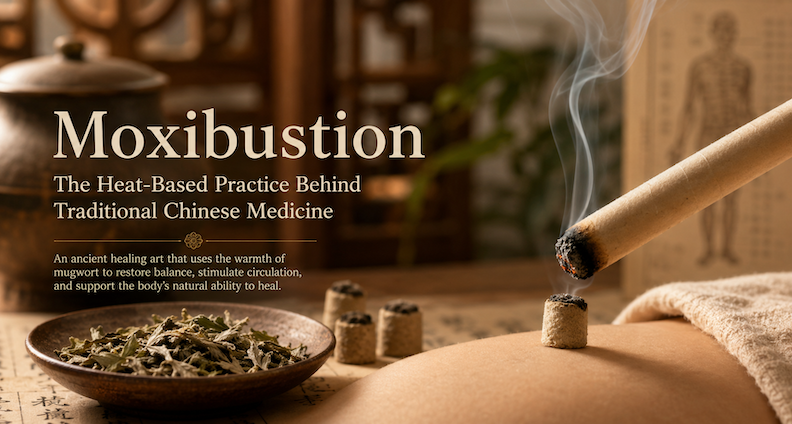
Moxibustion is one of the oldest healing modalities within Traditional Chinese Medicine, centered on the therapeutic use of heat and herbal medicine to restore balance within the body. The practice involves burning a dried herb known as mugwort either above the skin or on acupuncture points to stimulate circulation, support energy flow, and address various forms of stagnation. Unlike many modern treatments that focus solely on symptom relief, moxibustion works with the body’s natural systems, aiming to enhance vitality and encourage self-healing. Within the broader framework of Traditional Chinese Medicine, it is often used alongside acupuncture, cupping, and herbal prescriptions to harmonize the body’s internal environment. Today, moxibustion continues to be practiced both traditionally and in modern integrative wellness settings.
Moxa Stick Burner Kit
40 Herbal Moxa Sticks, Portable Wooden Moxibustion Holder, No Electricity Needed–Authentic Heat Therapy for Relaxation & Acupoint Massage at Home

Mugwort, the key herb used in moxibustion, holds a significant place in Eastern herbal traditions. Known for its warming properties, it is carefully dried and processed into a material that burns slowly and steadily, producing a gentle heat. This heat is believed to penetrate deeply into the body’s meridian system, a network of pathways described in Traditional Chinese Medicine as channels through which life energy, or Qi, flows. When these pathways become blocked or weakened, practitioners believe that discomfort or illness may arise. Moxibustion is therefore used to warm and invigorate these channels, helping to restore balance and movement within the body’s energetic landscape.
The application of moxibustion can vary depending on the practitioner and the needs of the individual. In some cases, a small cone of mugwort is placed directly on the skin and carefully removed before burning causes discomfort. In other approaches, the herb is held near the skin using a stick-like form, allowing heat to radiate without direct contact. This flexibility makes moxibustion adaptable and widely used across different styles of Traditional Chinese Medicine. It is often chosen for conditions associated with coldness, fatigue, or stagnation, where warming the body is considered beneficial. The sensation produced is typically described as soothing, penetrating warmth rather than intense heat, encouraging relaxation and improved circulation.
Within the philosophy of Traditional Chinese Medicine, moxibustion is more than a physical treatment; it is a method of restoring harmony between opposing forces in the body. Practitioners view health as a dynamic balance between yin and yang, where warmth represents active, life-giving energy. Moxibustion introduces this warmth to areas believed to be deficient or cold, helping to rebalance internal systems. It is often integrated into broader treatment plans that may include acupuncture, dietary guidance, and lifestyle adjustments. The intention is not only to address symptoms but also to strengthen the body’s resilience and long-term vitality.
At Still Alchemy, the exploration of traditional healing practices like moxibustion is rooted in the understanding that wellness is both an art and a continual process of refinement. The philosophy behind this platform draws from ancient systems of knowledge while interpreting them through a modern, holistic lens. Moxibustion aligns with this perspective by demonstrating how simple natural elements, such as heat and herbal preparation, can be used to support balance within the human body. Our approach to topics like this is not to present them as rigid medical prescriptions, but rather as part of a broader conversation about energy, presence, and self-awareness. We believe that practices such as moxibustion invite individuals to reconnect with traditional wisdom while considering how these methods may complement contemporary wellness routines. By examining therapies that have endured for centuries, we aim to bridge the gap between ancestral knowledge and modern curiosity, encouraging a deeper appreciation for the body’s innate intelligence.
Moxibustion remains a timeless example of how Traditional Chinese Medicine integrates natural elements with energetic principles to support holistic wellbeing. Its continued use across both traditional clinics and modern wellness spaces reflects a growing appreciation for therapies that emphasize balance, prevention, and gentle stimulation rather than forceful intervention. By applying the warmth of mugwort to specific points on the body, practitioners aim to influence the flow of Qi and encourage the body’s natural capacity for regulation. While interpretations of its mechanisms may vary between Eastern and Western medical perspectives, its enduring presence suggests that many individuals find value in its calming, warming effects. In contemporary wellness culture, moxibustion is often explored alongside other integrative practices, offering a tactile reminder that health can be cultivated through both simplicity and intention. It also highlights the importance of slowing down and engaging with the body in a mindful way, where warmth becomes not just a physical sensation but a symbolic expression of nourishment and restoration. As interest in traditional healing continues to grow globally, moxibustion stands as a bridge between ancient wisdom and modern curiosity, inviting ongoing exploration of how heat, herbs, and human awareness interact in the pursuit of balance.
You must be logged in to post a comment.